
Overview
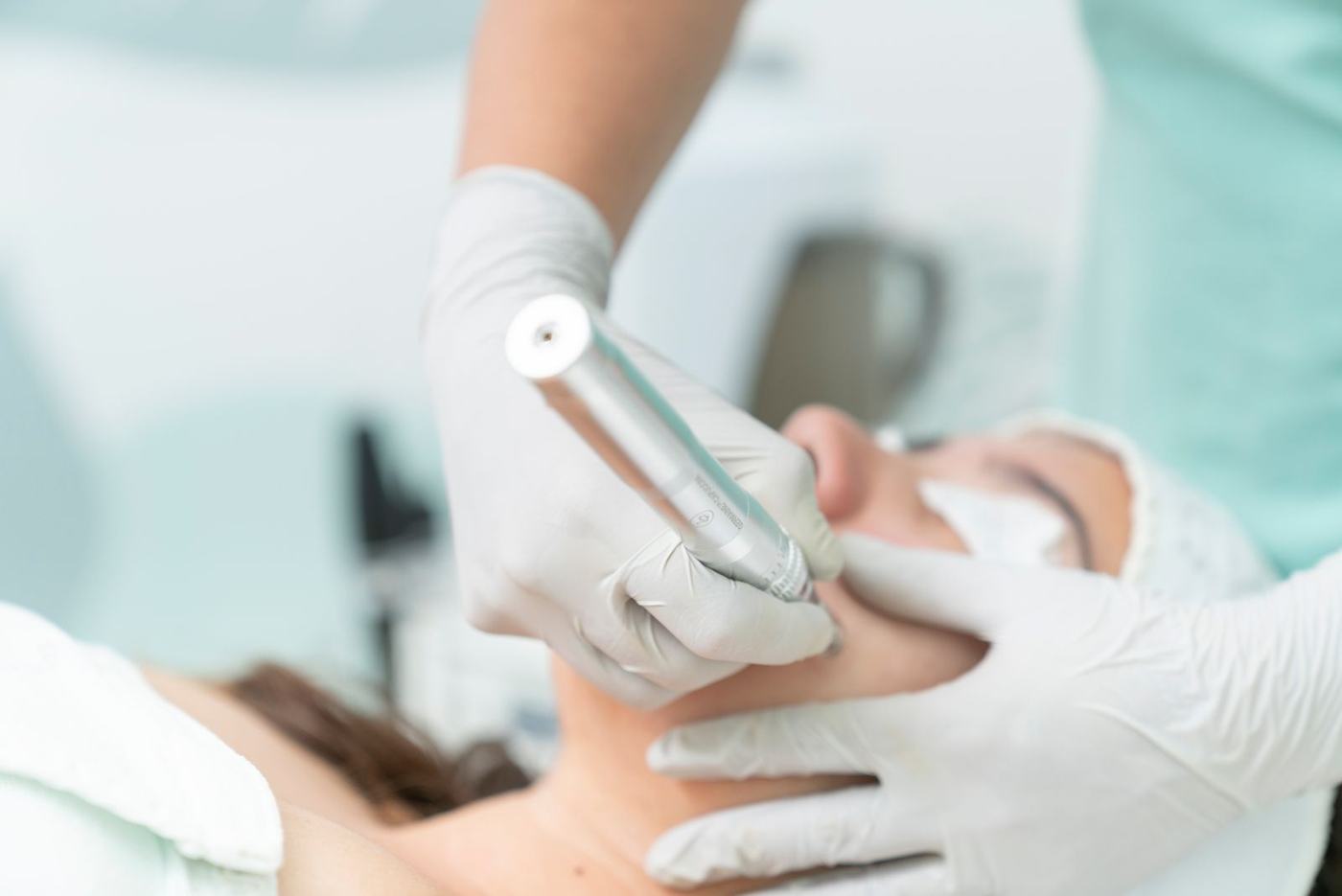
Tattoo ink sits in the dermis, where the body cannot easily remove it. Q-switched or picosecond lasers deliver very brief pulses that fragment the pigment, and the immune system then clears the fragments over the following weeks. Black and dark blue inks usually respond more readily, while some colours, such as green, yellow and light shades, can be more resistant and may need different wavelengths. Your clinician will describe how fading is monitored between visits.
Factors that influence outcome include the ink depth, how professionally the tattoo was applied, its age, your skin tone and the location on your body. Sessions are spaced several weeks apart so the skin can heal and the pigment can clear. Because lasers interact with skin pigment, recent tanning matters, and in Dubai's sunny climate we advise careful sun protection throughout treatment. Honest expectations are set before the first session begins.
Who it suits
- Unwanted or outgrown tattoos
- Faded or uneven tattoos before a cover-up
- Dark inks such as black and dark blue
- Adults prepared for a series of sessions over months
- Those who can protect the area from sun
When it may not be suitable
- Pregnancy or breastfeeding
- Active skin infection or open wounds over the tattoo
- Recent tan or sunburn on the area
- Photosensitising medicines or a history of keloid scarring, unless your doctor advises
- Tattoos with cosmetic ink containing certain metals, until assessed
What to expect
- ConsultationYour clinician examines the tattoo, reviews your skin and history, and explains realistic expectations.
- Test and prepA small test may be done. The skin is cleaned and numbing cream or cooling may be used.
- Laser treatmentProtective eyewear is worn while the laser delivers pulses across the tattoo.
- Cooling and dressingThe area is cooled and a protective dressing or ointment may be applied.
- Between sessionsYou return after several weeks for review and your next treatment as the pigment fades.
Quick facts
- Session time
- About 15 to 30 minutes, depending on size
- Downtime
- Redness, blistering or scabbing for several days, varies
- Sessions
- Often many sessions spaced about 6 to 8 weeks apart
- Results
- Gradual fading; may not fully clear, and varies
- Anaesthesia
- Topical numbing cream or cooling
Possible risks and side effects
- Redness, swelling and blistering
- Scabbing and temporary crusting
- Lightening or darkening of the surrounding skin
- Scarring, uncommon but possible
- Incomplete removal or ghost marks
- Infection, or rarely an allergic reaction to ink
Aftercare
- Keep the area clean and dry as directed
- Apply the ointment or dressing your clinician recommends
- Do not pick scabs or burst blisters
- Avoid sun, tanning beds and swimming until healed
- Use broad-spectrum sunscreen once the skin has healed
- Avoid tight clothing or friction over the area
Tattoo Removal FAQs
How many sessions will I need?
It depends on the ink, size, age and your skin. Many tattoos need several sessions spaced weeks apart, and some need more. Your clinician will give an estimate after assessment, though no number can be promised.
Will the tattoo disappear completely?
Many tattoos fade significantly, but complete removal is not always achievable. Some colours and deep or dense ink respond less readily. Your clinician will discuss realistic expectations before you start.
Does laser tattoo removal hurt?
Many people describe a snapping or stinging sensation, often compared to a rubber band flick. Comfort varies by area. Numbing cream or cooling can help, and your clinician will discuss options at your consultation.
Why are sessions spaced weeks apart?
The body needs time to clear the fragmented ink and the skin needs to heal between treatments. Treating too soon increases the risk of side effects without improving results. Spacing is set by your clinician.
Can any colour be removed?
Black and dark inks usually respond most readily. Greens, yellows and pale shades can be more resistant and may need specific wavelengths. Some colours may fade only partially, which your clinician will explain.
Can I get tattoo removal in summer in Dubai?
It is possible, but tanned skin raises the risk of pigment changes, so strict sun avoidance is needed. Your clinician may advise delaying treatment if the area is tanned or sunburnt.
What should I avoid before treatment?
Avoid sunbathing, tanning and self-tan on the area beforehand, and do not shave or apply creams unless told to. Tell your clinician about medicines, as some increase light sensitivity. Ask us anything further at your consultation.
Results vary between individuals. This page is general information, not medical advice. Suitability, risks and the plan are confirmed at your consultation at Fiore Medical Centre, JLT.