Overview
Hair grows in cycles, and the laser is most effective on follicles in the active growth phase. This is why several sessions spaced a few weeks apart are needed rather than a single visit. Over the course, many people notice hair becoming finer, sparser and slower to return. The type of device and settings are selected according to your skin tone and hair colour to help protect the skin.
Fine, very light, grey or red hairs generally respond less well because they contain little pigment. Hormonal factors can also influence regrowth, so some people need occasional top-up sessions. In a sunny city like Dubai, it is important to avoid tanning and use sun protection during the course. Laser reduces hair rather than removing it entirely, and results vary between individuals.
Who it suits
- Unwanted facial or body hair
- Ingrowing hairs and razor irritation
- Those tired of regular waxing or shaving
- Dark, coarse hair on suitable skin tones
- People able to follow pre- and post-treatment sun avoidance
When it may not be suitable
- Pregnancy
- Recent tan or sunburn in the area
- Active skin infection, cold sore or open wound in the area
- Recent isotretinoin use, unless cleared by your doctor
- Photosensitising medicines or conditions, as advised by your doctor
What to expect
- Consultation and patch testYour clinician reviews your skin type, medications and goals, and may test a small area.
- PreparationThe area is shaved and cleansed, and eye protection is provided.
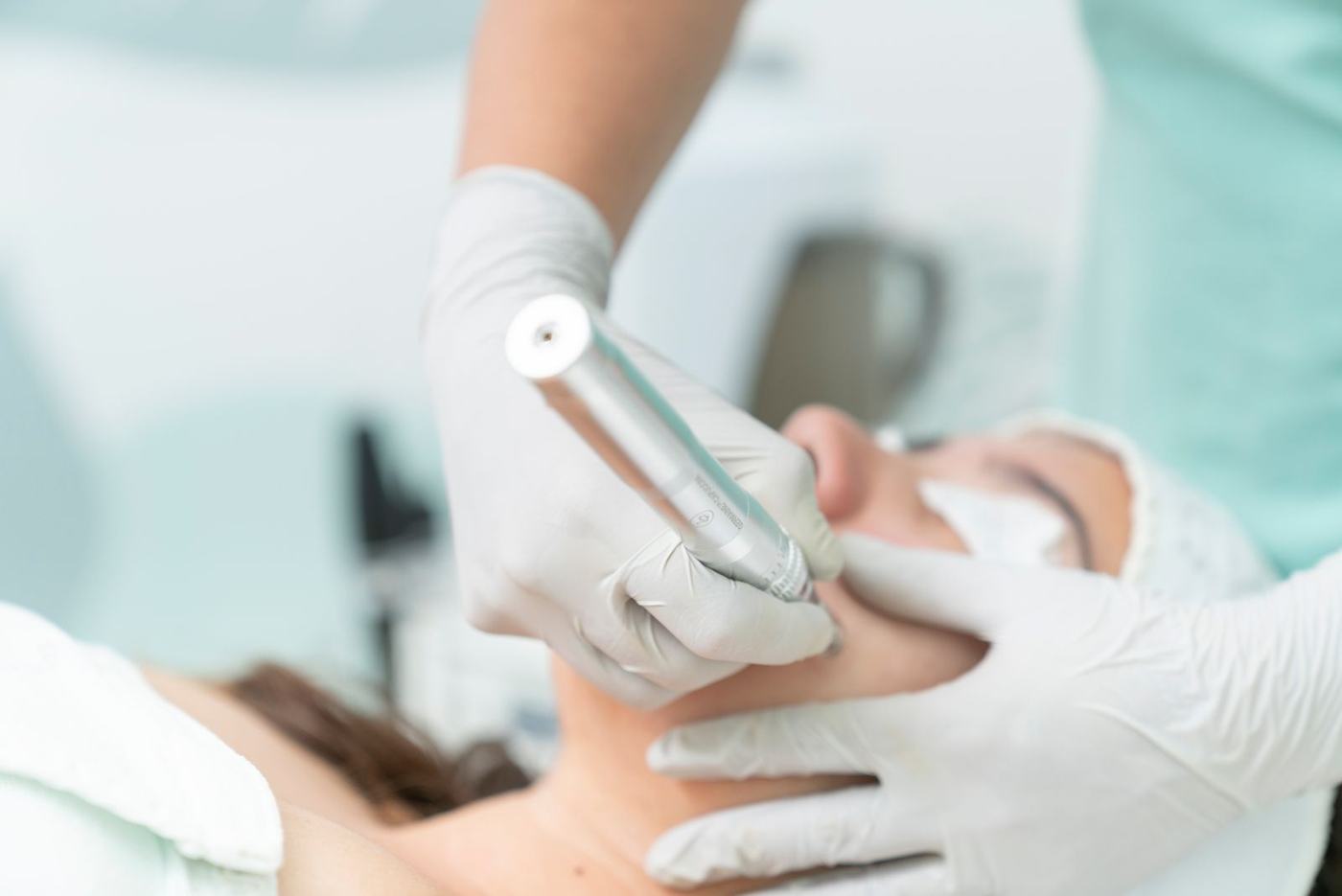
- Laser treatmentPulses of light are delivered across the area with cooling to protect the skin.
- SootheA calming product and sun protection are applied after treatment.
- Course planningFurther sessions are scheduled at intervals to match the hair growth cycle.
Quick facts
- Session time
- From minutes for small areas to about an hour for larger ones
- Downtime
- Usually minimal; temporary redness or bumps
- Sessions
- Typically a course of several, spaced weeks apart
- Results
- Gradual hair reduction over the course; varies
- Anaesthesia
- Not usually required; cooling is used
Possible risks and side effects
- Temporary redness, swelling or tenderness
- Skin colour changes (lighter or darker patches)
- Blistering or burns, which are uncommon with correct settings
- Incomplete or uneven reduction
- Occasional paradoxical hair growth in some people
Aftercare
- Avoid sun exposure and tanning before and after sessions
- Use broad-spectrum sunscreen daily
- Do not wax, pluck or thread between sessions; shaving is fine
- Avoid hot baths, saunas and heavy exercise on the day
- Moisturise gently and avoid harsh products
Laser Hair Removal FAQs
How does laser hair removal work?
The laser emits light absorbed by pigment in the hair, converting to heat that damages the follicle's ability to grow hair. Because follicles cycle, repeated sessions are needed to treat hair as it enters the growth phase.
How many sessions will I need?
Most people need a course of several sessions, spaced a few weeks apart. The number depends on the area, hair type, skin tone and hormones. Your clinician will suggest a plan after your assessment and adjust as you progress.
Does it hurt?
Many people describe a snapping or warm sensation, which varies by area and individual sensitivity. Cooling helps protect the skin. If you are concerned about discomfort, mention it during your consultation so comfort options can be discussed.
Is it safe for darker skin tones?
Modern devices can be suitable for a range of skin tones when the correct laser and settings are chosen. A skin assessment and patch test help your clinician decide what is appropriate and reduce the risk of pigment changes.
Will hair be gone for good?
Laser provides a long-term reduction rather than complete removal for everyone. Some hairs may regrow, particularly with hormonal changes, so occasional maintenance sessions are sometimes advised. Results vary between individuals.
What should I do before my session?
Shave the area beforehand, avoid waxing or plucking for several weeks, and avoid sun exposure or tanning. Let your clinician know about any medicines or skin conditions. Specific instructions will be given when you book.
Can I have it in summer in Dubai?
Treatment can often continue year-round, but strict sun avoidance and sunscreen use are essential because tanned skin raises the risk of side effects. Your clinician may adjust settings or timing depending on your sun exposure.
Results vary between individuals. This page is general information, not medical advice. Suitability, risks and the plan are confirmed at your consultation at Fiore Medical Centre, JLT.