
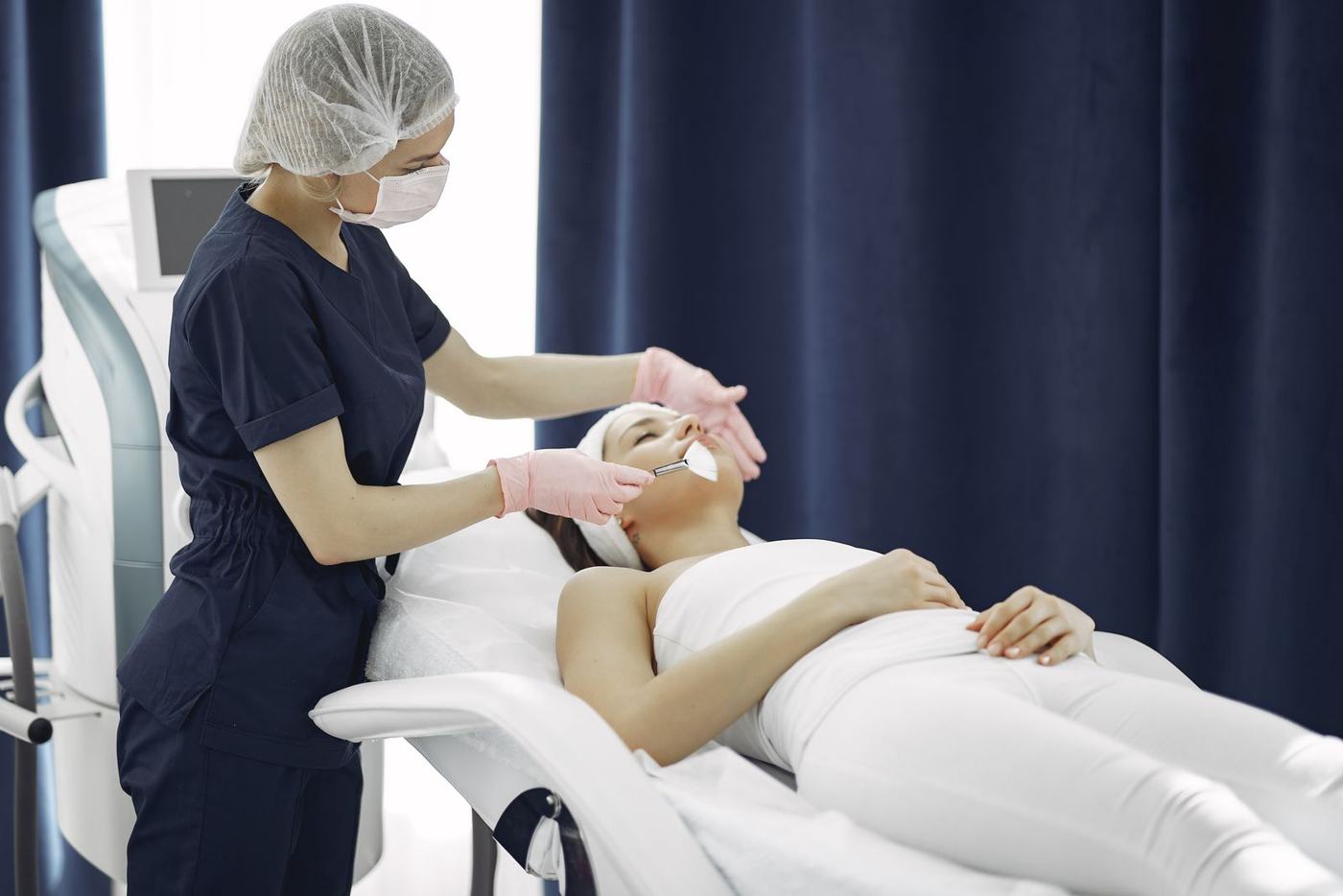
Overview
Peels use acids such as glycolic, salicylic, lactic, mandelic or trichloroacetic acid, each with different strengths and uses. Superficial peels generally need little downtime and are often repeated in a series, while medium-depth peels may cause visible peeling over several days. Salicylic acid suits oily and congested skin, while gentler acids are often chosen for sensitive or pigmented skin. Your clinician will explain the likely peeling timeline for your chosen peel.
Matching the peel to your skin tone and concern is important, because some peels can trigger pigment changes if too strong or if the skin is tanned. In Dubai, where sun exposure is frequent, timing and strict sunscreen use matter. Your clinician may prepare your skin with a home routine before the peel and will advise on aftercare to support healing and results. Your clinician will advise how to space peels and which home products to pair with them.
Who it suits
- Uneven skin tone or sun-related marks
- Dull or rough-textured skin
- Oily, congested or acne-prone skin
- Fine lines in early stages
- Adults wanting a gradual, repeatable treatment
When it may not be suitable
- Pregnancy or breastfeeding, for certain peels
- Active infection, cold sores or open wounds in the area
- Recent isotretinoin use, unless your doctor advises
- Sunburn, a fresh tan or very irritated skin
- Allergy to ingredients such as salicylates, for relevant peels
What to expect
- ConsultationYour clinician examines your skin, reviews your history and chooses a suitable peel type and strength.
- CleansingThe skin is cleansed and protected around sensitive areas such as the eyes and nose.
- Peel applicationThe solution is applied for a timed period while your clinician monitors your skin.
- NeutralisingThe peel is neutralised or removed and the skin is soothed and moisturised.
- AftercareYou receive sun protection and home-care advice, with a follow-up plan if needed.
Quick facts
- Session time
- About 30 to 45 minutes
- Downtime
- None to about a week, depending on peel depth
- Sessions
- Often a series of 3 to 6 light peels, as advised
- Results
- Gradual; results vary between individuals
- Anaesthesia
- Usually none; cooling or topical numbing may be used for deeper peels
Possible risks and side effects
- Redness, stinging and dryness
- Flaking or peeling for several days
- Temporary darkening or lightening of the skin
- Breakouts or cold sore flare-ups
- Irritation or, rarely, chemical burns
- Rarely, infection or scarring
Aftercare
- Use sunscreen daily and avoid direct sun
- Moisturise with a gentle, fragrance-free product
- Do not pick or peel flaking skin
- Avoid retinoids, scrubs and active acids until advised
- Avoid saunas, swimming and hot showers for a few days
- Keep makeup minimal until skin settles
Chemical Peels FAQs
What does a chemical peel do?
A peel removes the outer layers of skin in a controlled way, encouraging renewal. This can help with the look of tone, texture and congestion. The effect depends on the peel type and strength, and results vary.
Does a chemical peel hurt?
Most people feel warmth or stinging that settles quickly, and it can be stronger with deeper peels. Comfort varies. Your clinician monitors your skin throughout and may use cooling to keep you comfortable.
Will my skin peel?
Light peels may cause fine flaking or none at all, while medium-depth peels cause more visible peeling over several days. Your clinician will tell you what to expect for your chosen peel.
How many peels will I need?
Light peels are often done as a series a few weeks apart, whereas deeper peels are spaced further apart. The number depends on your skin and goals, and your clinician will suggest a plan.
Can I have a peel in summer in Dubai?
Often yes with gentler peels, provided you protect your skin strictly from the sun. Your clinician may avoid deeper peels when your skin is tanned, as the risk of pigment change is higher.
Is a peel suitable for darker skin?
It can be, with careful choice of peel and strength, since darker skin is more prone to pigment changes. Your clinician will select gentler options and may prepare the skin first.
What should I avoid before a peel?
Avoid sunbathing, waxing, scrubs and strong actives such as retinoids for the period your clinician advises. Tell them about medicines, especially isotretinoin, and any history of cold sores. Ask us anything further at your consultation.
Results vary between individuals. This page is general information, not medical advice. Suitability, risks and the plan are confirmed at your consultation at Fiore Medical Centre, JLT.