Overview
Platelets are blood cells that release growth factors involved in the body's natural repair processes. In a PRP facial, a small blood sample is taken and spun in a centrifuge to separate the plasma that is rich in platelets. This plasma is then applied to the face, which supports the skin's appearance of freshness and elasticity as part of a gradual rejuvenation plan. Your clinician will explain each step so you know what to expect on the day.
Because the preparation uses your own blood, the risk of reacting to the product itself is lower than with some other options, although other risks of skin-breaking procedures still apply. PRP is often combined with microneedling to help it reach the skin. Your plan may also include sun protection and skincare, which matter in Dubai's bright climate and help you maintain the look you achieve. Your clinician will tailor the number of sessions to your skin.
Who it suits
- Tired or dull-looking skin
- Fine lines and early loss of firmness
- Uneven texture or mild acne marks
- Those who prefer an option using their own plasma
- Adults wanting low-downtime rejuvenation
When it may not be suitable
- Pregnancy or breastfeeding
- Blood disorders or low platelet counts
- Use of blood-thinning medicines, unless your doctor advises
- Active skin infection or cold sores in the area
- Certain autoimmune or chronic conditions, as assessed by your doctor
What to expect
- ConsultationYour clinician reviews your health history, medications and skin goals to confirm suitability.
- Blood sampleA small blood sample is drawn, similar to a routine blood test.
- PreparationThe sample is processed in a centrifuge to concentrate the platelet-rich plasma.
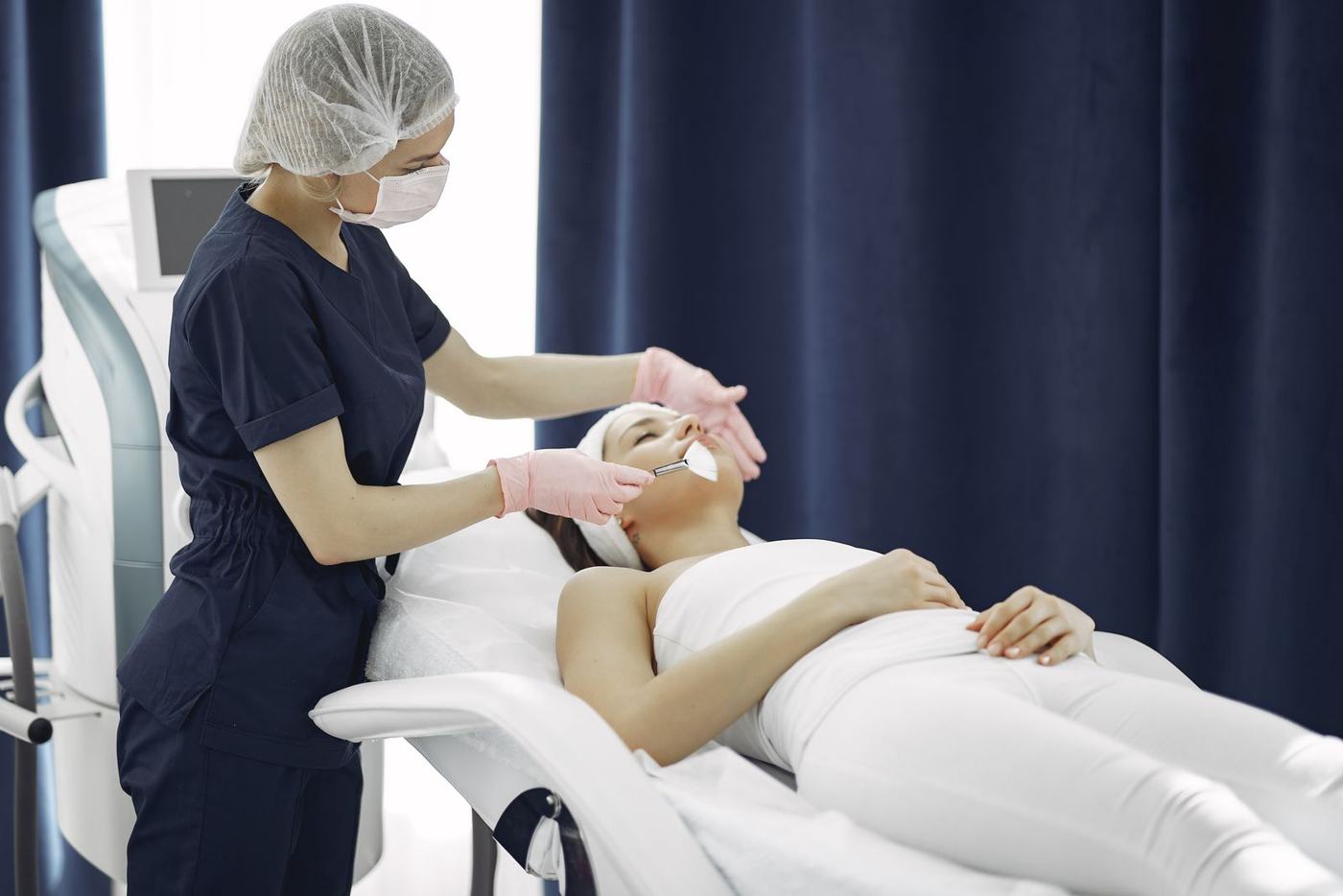
- ApplicationAfter numbing cream, PRP is applied with microneedling or fine injections.
- AftercareYou receive guidance on skin care and sun protection before heading home.
Quick facts
- Session time
- About 60 to 75 minutes
- Downtime
- Redness for a day or two is common, varies
- Sessions
- Often 3 sessions spaced about 4 weeks apart, as advised
- Results
- Gradual; results vary between individuals
- Anaesthesia
- Topical numbing cream
Possible risks and side effects
- Redness, swelling and tightness for a day or two
- Bruising at the blood-draw or treatment sites
- Pinpoint bleeding or spotting with microneedling
- Mild tenderness
- Rarely, infection or uneven results
- Temporary skin sensitivity
Aftercare
- Avoid makeup for the time your clinician advises
- Keep skin clean and use a gentle moisturiser
- Apply sunscreen daily and avoid strong sun
- Avoid exfoliating acids and retinoids until cleared
- Skip intense exercise, saunas and swimming for a day or two
- Do not touch or pick at treated skin
PRP Facial FAQs
What is PRP made from?
PRP is made from a small sample of your own blood. It is processed in a centrifuge to concentrate platelets in plasma, which is then applied to your skin. Because it is your own plasma, it is not a synthetic product.
Is a PRP facial the same as a vampire facial?
The term is a popular name for PRP combined with microneedling. The principle is the same: your own plasma is applied to skin prepared with fine needling. Your clinician will explain exactly what your session involves.
Does a PRP facial hurt?
Numbing cream is applied beforehand, and most people feel pressure or a mild scratching sensation. Comfort varies. The blood draw feels like any routine test, and treatment is generally well tolerated.
How many sessions do I need?
Many plans use around three sessions a few weeks apart, followed by occasional maintenance. The right number depends on your skin and goals, and results vary. Your clinician will recommend a schedule after assessing you.
When will I see results?
Skin may look fresher within days as redness settles, while improvements in texture and tone tend to build over several weeks. Results vary, and consistent skincare and sun protection support the outcome.
What is the recovery like?
Expect redness and tightness that often settles within a day or two, with possible mild swelling or spotting. Most people return to normal routines quickly, avoiding makeup and sun exposure for a short period.
Who should avoid PRP?
People with blood disorders, low platelet counts, active infections or those taking blood thinners may not be suitable. Pregnancy is also a reason to wait. Your doctor will review your history before proceeding.
Results vary between individuals. This page is general information, not medical advice. Suitability, risks and the plan are confirmed at your consultation at Fiore Medical Centre, JLT.